Mercimek Çorbası: Kış Aylarının Vazgeçilmez Lezzeti
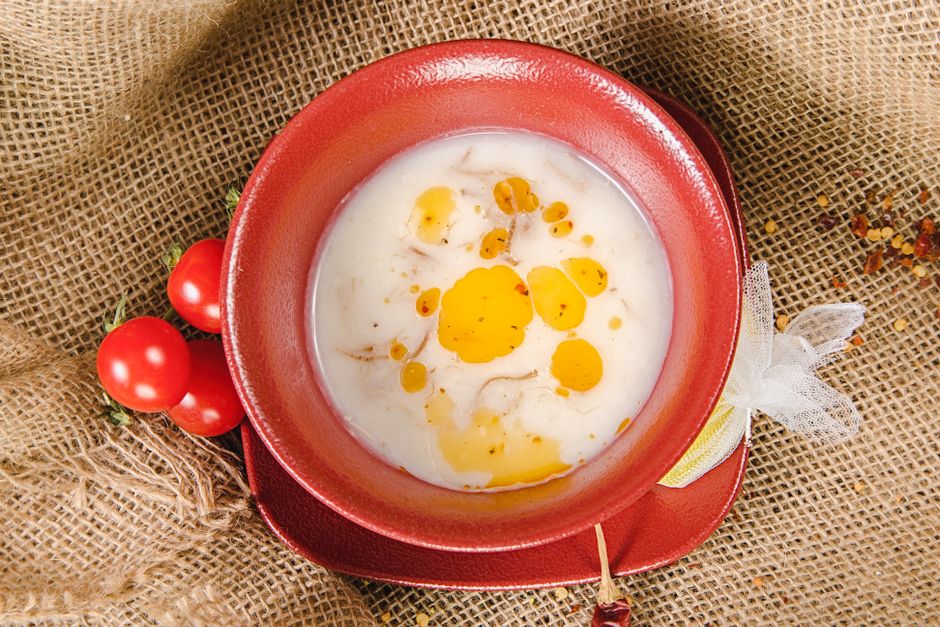
Mercimek çorbası, Türk mutfağının en köklü ve sevilen çorbalarından biridir. Özellikle kış aylarında sofraların vazgeçilmezi haline gelen bu çorba, kırmızı mercimek, soğan, havuç ve patates gibi temel malzemelerle hazırlanır. Besleyici özelliği ve doyurucu yapısıyla öne çıkan mercimek çorbası, hem pratik hem de ekonomik bir seçenek olarak değerlendirilir. Bu yazıda, klasik mercimek çorbasının adım adım tarifini, besin değerlerini ve kış aylarındaki rolünü ele alacağız.
Mercimek çorbası, Anadolu’nun dört bir yanında farklı dokunuşlarla yapılsa da temel malzemeler genellikle aynıdır. Kırmızı mercimek, soğan, havuç ve patates, çorbanın hem lezzetini hem de besin profilini şekillendirir. Bu malzemeler, mevsiminde taze olarak temin edilebildiği gibi kuru baklagil olarak da yıl boyunca bulunabilir. Çorbanın hazırlanışı, malzemelerin doğranması, kavrulması ve haşlanması gibi aşamalardan oluşur. Her aşama, çorbanın nihai lezzetini ve kıvamını etkiler.
Kış aylarında sıcak bir çorba, hem bedeni hem de ruhu ısıtır. Mercimek çorbası, içerdiği lif, protein ve vitaminlerle bu ihtiyaca cevap verir. Ayrıca, soğuk algınlığı gibi durumlarda sıvı alımını destekleyici bir seçenek olarak düşünülebilir. Ancak, her bireyin besin ihtiyacı farklıdır ve bu çorbanın tüketimi kişisel sağlık durumuna göre değerlendirilmelidir. Bu yazı, genel bilgiler sunmayı amaçlar; kişisel beslenme kararları için bir uzmana danışmak önemlidir.
Malzemeler ve Hazırlık Aşaması
Mercimek çorbası yapımında kullanılan malzemeler oldukça basittir ve çoğu mutfakta bulunur. Kırmızı mercimek, çorbanın ana bileşenidir ve yüksek lif içeriğiyle bilinir. Soğan, havuç ve patates ise çorbaya tatlı bir aroma ve kıvam kazandırır. İsteğe bağlı olarak salça, baharatlar ve tereyağı gibi ek malzemeler de kullanılabilir. Malzemelerin taze ve kaliteli olması, çorbanın lezzetini doğrudan etkileyen faktörler arasındadır.
Hazırlık aşamasında, soğan, havuç ve patatesin doğranması gerekir. Soğanın ince doğranması, kavurma sırasında daha homojen bir tat elde edilmesine yardımcı olur. Havuç ve patates ise küp şeklinde doğranarak çorbanın içinde dağılmaları sağlanır. Kırmızı mercimek, pişirmeden önce yıkanır ve varsa taşları ayıklanır. Bu adımlar, çorbanın pürüzsüz bir kıvam alması için önemlidir. Doğrama işlemi sırasında dikkatli olunması, parmak yaralanmalarını önlemek açısından gereklidir.
Malzemeler hazırlandıktan sonra pişirme aşamasına geçilir. Geniş bir tencerede yağ ısıtılır ve soğanlar pembeleşene kadar kavrulur. Ardından havuç ve patates eklenerek birkaç dakika daha kavrulur. Salça kullanılacaksa bu aşamada eklenir ve kokusu çıkana kadar karıştırılır. Son olarak yıkanmış mercimek ve su eklenir. Tüm malzemeler karıştırıldıktan sonra kaynamaya bırakılır. Pişirme süresi, mercimeklerin yumuşamasına bağlı olarak yaklaşık 30-40 dakikadır.
Adım Adım Mercimek Çorbası Tarifi
Mercimek çorbası yapımı, belirli adımların takip edilmesiyle kolayca gerçekleştirilebilir. İlk adım, malzemelerin hazırlanmasıdır: 1 su bardağı kırmızı mercimek, 1 adet büyük soğan, 1 adet havuç, 1 adet patates, 2 yemek kaşığı sıvı yağ veya tereyağı, 1 yemek kaşığı salça (isteğe bağlı), tuz ve baharatlar. Soğan, havuç ve patates soyulup doğranır. Mercimek yıkanır.
İkinci adımda, tencerede yağ ısıtılır ve doğranmış soğan eklenerek pembeleşinceye kadar kavrulur. Ardından havuç ve patates eklenir, 2-3 dakika daha kavrulur. Salça eklenirse, kokusu çıkana kadar karıştırılır. Daha sonra yıkanmış mercimek ve yaklaşık 6-8 su bardağı sıcak su eklenir. Tuz ve isteğe bağlı baharatlar (karabiber, kimyon, nane) ilave edilir. Tencerenin kapağı kapatılır ve çorba kaynamaya bırakılır.
Üçüncü adımda, çorba kaynadıktan sonra ateş kısılır ve mercimekler iyice yumuşayana kadar pişirilir. Bu süre genellikle 30-40 dakikadır. Pişen çorba, blenderdan geçirilerek püre haline getirilir. Bu işlem, çorbanın daha pürüzsüz bir kıvam almasını sağlar. Eğer çorba çok koyu olursa, biraz sıcak su eklenerek istenen kıvam ayarlanabilir. Son olarak, çorba servis kaselerine alınır ve üzerine tereyağında kızdırılmış pul biber veya nane gezdirilebilir. Mercimek çorbası, limon dilimi ve taze ekmek ile birlikte servis edilebilir.
Besin Değerleri ve Sağlık Açısından Değerlendirme
Mercimek çorbası, besin değerleri açısından oldukça zengin bir yemektir. Kırmızı mercimek, iyi bir bitkisel protein, lif, demir ve folat kaynağıdır. Soğan ve havuç, antioksidan özellikleriyle bilinen vitaminler içerir. Patates ise potasyum ve C vitamini sağlar. Bu malzemelerin bir araya gelmesi, çorbayı hem doyurucu hem de besleyici kılar. Ancak, pişirme yöntemi ve eklenen yağ miktarı, çorbanın toplam kalori ve besin içeriğini etkileyebilir.
Bir porsiyon mercimek çorbası (yaklaşık 1 kase) genellikle 150-200 kalori civarındadır. Protein içeriği, mercimek sayesinde yüksektir ve bitkisel protein alımına katkıda bulunur. Lif içeriği, sindirim sisteminin düzenli çalışmasına yardımcı olabilir. Demir içeriği, özellikle et tüketmeyen bireyler için önemli bir destektir. C vitamini, havuç ve patatesten gelir ve bağışıklık sistemini destekleyebilir. Ancak, bu etkiler kişiden kişiye değişebilir ve genel beslenme düzeni içinde değerlendirilmelidir.
Mercimek çorbası, glisemik indeksi düşük bir yemek olarak kabul edilir ve kan şekeri seviyelerini dengede tutmaya yardımcı olabilir. Ancak, diyabet gibi durumlarda porsiyon kontrolü ve doktor tavsiyesi önemlidir. Ayrıca, çorbanın tuz içeriği, hipertansiyon gibi rahatsızlıkları olan bireyler için dikkat edilmesi gereken bir faktördür. Evde hazırlanan çorbalarda tuz miktarı kontrol edilebilir. Hazır çorbalarda ise katkı maddeleri ve koruyucular bulunabilir; bu nedenle etiket okumak faydalı olabilir.
Kış Aylarında Mercimek Çorbasının Yeri ve Kültürel Önemi
Türk mutfağında mercimek çorbası, kış aylarının simgesel lezzetlerinden biridir. Soğuk havalarda iç ısıtan yapısıyla sofraların başrolünü üstlenir. Ayrıca, ekonomik ve pratik olması nedeniyle geniş kitleler tarafından tercih edilir. Anadolu’nun farklı bölgelerinde, mercimek çorbasına yöresel dokunuşlar eklenir. Örneğin, bazı yörelerde çorbaya un veya pirinç ilave edilir. Bu çeşitlilik, Türk mutfağının zenginliğini yansıtır.
Mercimek çorbası, aynı zamanda misafirperverliğin bir sembolü olarak da görülür. Misafirlere ikram edilen ilk yemeklerden biri olması, onun toplumsal hayattaki yerini gösterir. Lezzet Sofrası gibi işletmeler, geleneksel tariflere bağlı kalarak bu kültürel mirası yaşatmaya katkıda bulunabilir. Evde yapılan mercimek çorbası, aile bireylerini bir araya getiren bir unsur olarak da değerlendirilebilir. Kış akşamlarında sıcak bir kase çorba, sohbetlerin eşlikçisi olur.
Sonuç olarak, mercimek çorbası, hem besleyici özellikleri hem de kültürel değeriyle Türk mutfağının vazgeçilmez bir parçasıdır. Kırmızı mercimek, soğan, havuç ve patates ile hazırlanan bu çorba, kış aylarında sıcak bir seçenek sunar. Tarifi kolayca uygulanabilir ve malzemeler her yerde bulunabilir. Ancak, her yemekte olduğu gibi, kişisel sağlık durumu ve beslenme ihtiyaçları göz önünde bulundurulmalıdır. Bu yazıda verilen bilgiler genel bilgilendirme amaçlıdır; özel durumlar için bir uzmana danışmak önemlidir.