Adana Kebap Tarifi: Evde Uygulanabilir Yöntemler
Adana kebap, Türk mutfağının en bilinen lezzetlerinden biridir. Geleneksel olarak kuzu eti, kuyruk yağı ve baharatların belirli oranlarda karıştırılıp yoğurulmasıyla hazırlanır. Evde uygulanabilir yöntemlerle de bu lezzeti elde etmek mümkündür. Bu yazıda, Adana kebabının hazırlanış aşamalarını, malzeme seçimini, yoğurma tekniğini, şişe dizilmesini ve közde pişirilmesini ayrıntılı olarak ele alacağız.
Adana kebap yapımında dikkat edilmesi gereken birçok faktör bulunur. Etin tazeliği, yağ oranı, baharatların kalitesi ve dinlendirme süresi gibi unsurlar lezzeti doğrudan etkileyebilir. Ayrıca, pişirme sırasında ateşin kontrolü ve şişlerin çevrilme sıklığı da önemlidir. Bu nedenle, sabırlı ve özenli bir çalışma gerektirir.
Evde Adana kebap yapmak isteyenler için temel adımlar şu şekildedir: malzemelerin hazırlanması, etin yoğurulması, dinlendirilmesi, şişe dizilmesi ve közde pişirilmesi. Her aşamada dikkat edilmesi gereken püf noktaları vardır. Bu yazıda, bu aşamaları ayrıntılı bir şekilde açıklayarak, evde başarılı bir Adana kebap yapımı için rehberlik etmeyi amaçlıyoruz.
Malzeme Seçimi ve Hazırlığı
Adana kebabının temel malzemeleri kuzu eti, kuyruk yağı ve baharatlardır. Kuzu eti olarak genellikle kaburga veya but kısmı tercih edilir. Etin taze olması ve fazla beklememiş olması önemlidir. Kuyruk yağı ise kebabın karakteristik lezzetini ve sululuğunu sağlar. Yağ oranı, etin kurumaması ve lezzetli olması için kritik bir rol oynar. Baharatlar arasında tuz, karabiber, pul biber ve bazen kimyon bulunur. Ayrıca, isteğe bağlı olarak sarımsak veya soğan suyu da eklenebilir.
Malzemelerin hazırlanması aşamasında, etin sinirlerinden ve fazla yağından temizlenmesi gerekir. Et, kesme tahtası üzerinde keskin bir bıçakla küçük parçalar halinde doğranır. Kuyruk yağı da aynı şekilde doğranır. Baharatlar önceden ölçülüp hazırlanır. Eğer soğan suyu kullanılacaksa, soğan rendelenip suyu sıkılır. Bu hazırlık aşaması, yoğurma işleminin daha kolay ve homojen olmasını sağlar.
Malzeme miktarları kişi sayısına ve damak zevkine göre ayarlanabilir. Genel olarak, 1 kg kuzu eti için 200-250 gram kuyruk yağı kullanılması önerilir. Baharatlar ise etin miktarına göre ayarlanır. Tuz, genellikle etin ağırlığının %1-1,5’i kadar eklenir. Pul biber ve karabiber ise isteğe göre değişir. Bu oranlar, standart bir Adana kebap lezzeti elde etmek için başlangıç noktası olarak alınabilir.
Yoğurma ve Dinlendirme
Yoğurma işlemi, Adana kebabının en kritik aşamalarından biridir. Doğranmış et ve kuyruk yağı geniş bir kapta karıştırılır. Üzerine baharatlar eklenir. Eğer kullanılacaksa soğan suyu da ilave edilir. Karışım, el ile yoğurulmaya başlanır. Yoğurma işlemi sırasında etin lifleri birbirine bağlanır ve kıvam koyulaşır. Bu işlem, etin şişe yapışmasını ve dağılmamasını sağlar. Yoğurma süresi genellikle 15-20 dakika kadar sürer. Etin kıvamı, parmaklar arasında sıkıldığında dağılmayacak hale gelene kadar yoğurulmalıdır.
Yoğurma işlemi tamamlandıktan sonra, karışımın dinlendirilmesi gerekir. Dinlendirme, baharatların ete iyice nüfuz etmesini ve etin yumuşamasını sağlar. Karışım, üzeri kapalı bir şekilde buzdolabında en az 2-3 saat, tercihen bir gece dinlendirilir. Bu süre zarfında et, baharatlarla özdeşleşir ve lezzet dengesi oturur. Dinlendirme sırasında karışımın hava almamasına dikkat edilmelidir. Aksi halde etin rengi değişebilir ve istenmeyen kokular oluşabilir.
Dinlendirme süresi sonunda, karışım buzdolabından çıkarılır ve oda sıcaklığına gelmesi beklenir. Bu, şişe dizme işlemini kolaylaştırır. Eğer karışım çok soğuk olursa, şişe dizmek zorlaşır ve et dağılabilir. Oda sıcaklığına gelmesi için yaklaşık 30 dakika beklenebilir. Bu aşamada, karışımın kıvamı kontrol edilir. Eğer çok sulu ise, biraz daha yoğurmak gerekebilir. Eğer çok kuru ise, az miktarda su veya yağ eklenebilir.
Şişe Dizme Teknikleri
Adana kebabının şişe dizilmesi, ustalık gerektiren bir işlemdir. Geniş ve yassı şişler kullanılır. Şişlerin temiz ve yağlanmış olması, etin yapışmasını önler. Karışımdan bir parça alınır ve avuç içinde yuvarlanarak şişe geçirilir. Et, şiş boyunca eşit kalınlıkta yayılır. Şişin her iki ucunda da bir miktar boşluk bırakılır. Et, parmaklarla hafifçe bastırılarak şekillendirilir. Bu işlem sırasında etin şişten kaymaması için dikkatli olunmalıdır.
Şişe dizme sırasında, etin kalınlığı ve genişliği önemlidir. Et ne çok kalın ne de çok ince olmalıdır. Aşırı kalın et, iç kısmının pişmemesine neden olabilir. Aşırı ince et ise çabuk kurur ve sertleşir. İdeal kalınlık, yaklaşık 1-1,5 cm arasındadır. Etin genişliği ise şişin uzunluğuna göre ayarlanır. Genellikle, et şişin ortasına doğru hafifçe genişleyecek şekilde dizilir. Bu, pişirme sırasında etin eşit pişmesini sağlar.
Şişe dizilen kebaplar, pişirme öncesinde tekrar buzdolabında kısa bir süre dinlendirilebilir. Bu, etin şişte daha iyi tutunmasını sağlar. Ancak, pişirme öncesi oda sıcaklığına gelmesi için birkaç dakika beklenmelidir. Ayrıca, şişlerin uçlarına ekmek veya soğan takılarak etin kayması engellenebilir. Bu yöntem, özellikle evde yapılan kebaplarda pratik bir çözümdür.
Közde Pişirme Yöntemleri
Adana kebabının pişirilmesi için ideal yöntem, közde pişirmedir. Köz, odun kömürünün yanarak kor haline gelmesiyle oluşur. Mangalda kömür yakılır ve alevlerin sönmesi, korların oluşması beklenir. Korların üzerine şişler yerleştirilir. Şişler, ateşe çok yakın olmamalıdır; aksi halde et dıştan yanar, içten çiğ kalır. İdeal mesafe, korların yaklaşık 10-15 cm üzeridir. Pişirme sırasında şişler sık sık çevrilir. Bu, etin her tarafının eşit pişmesini sağlar. Pişirme süresi, etin kalınlığına ve ateşin sıcaklığına bağlı olarak değişir. Genellikle 10-15 dakika yeterlidir.
Közde pişirme sırasında dikkat edilmesi gereken bir diğer nokta, etin kurumamasıdır. Etin sulu kalması için pişirme sırasında üzerine yağ sürülebilir veya yağlı bir fırça ile yağlanabilir. Ayrıca, etin sürekli çevrilmesi, su kaybını azaltır. Eğer et çok yağlıysa, pişirme sırasında alevlenmeler olabilir. Bu durumda, şişler geçici olarak yükseğe kaldırılır ve alevlerin sönmesi beklenir. Alevlenme, etin yanmasına ve acı bir tat oluşmasına neden olabilir.
Közde pişirme alternatif olarak, evde fırın veya elektrikli ızgara da kullanılabilir. Fırında pişirme için, şişler yağlı kağıt serili bir tepsiye yerleştirilir ve önceden ısıtılmış fırında yüksek sıcaklıkta pişirilir. Elektrikli ızgarada ise, şişler ızgara telinin üzerine konur ve yine sık sık çevrilir. Bu yöntemler, köz kadar yoğun bir duman aroması sağlamasa da, pratik bir alternatif sunar. Ancak, közde pişirmenin verdiği lezzet ve doku farklıdır.
Servis ve Sunum Önerileri
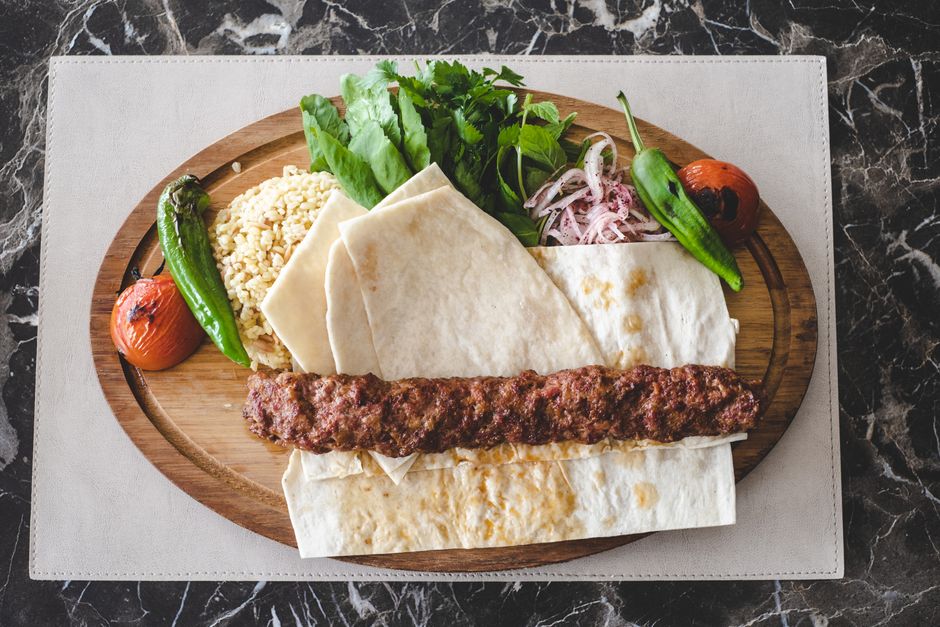
Adana kebap, pişirildikten sonra hemen servis edilmelidir. Servis sırasında, şişlerden çıkarılan etler, sıcak olarak tabağa alınır. Yanında genellikle lavaş ekmeği, sumaklı soğan salatası, közlenmiş domates ve biber ile servis edilir. Ayrıca, yoğurt veya cacık da tercih edilebilir. Sunum, kişisel zevke göre çeşitlendirilebilir. Önemli olan, kebabın sıcak ve taze olarak tüketilmesidir.
Servis sırasında, kebabın yanına pilav veya bulgur pilavı da eklenebilir. Ancak, geleneksel olarak Adana kebap, sadece lavaş ve salata ile servis edilir. İçecek olarak ise ayran veya şalgam suyu tercih edilir. Bu içecekler, kebabın yağlı yapısını dengeler. Ayrıca, limon dilimleri ve taze yeşillikler de sunuma renk katar. Servis tabağı, sıcak tutulmalı ve kebabın soğuması engellenmelidir.
Evde yapılan Adana kebap, misafirlere sunulabilecek gösterişli bir yemektir. Ancak, pişirme sonrası hemen tüketilmesi önerilir. Kalan kebaplar buzdolabında saklanabilir ve ertesi gün tavada ısıtılarak yenilebilir. Ancak, tazeliğini ve lezzetini büyük ölçüde kaybeder. Bu nedenle, mümkün olduğunca taze tüketmeye özen gösterilmelidir.
Evde Uygulama İçin İpuçları
Evde Adana kebap yaparken karşılaşılabilecek zorluklar vardır. Bunlardan biri, etin şişe yapışmamasını sağlamaktır. Bunun için şişlerin yağlanması ve etin iyice yoğurulması gerekir. Ayrıca, etin dinlendirilmesi de yapışmayı önler. Bir diğer zorluk, köz ateşinin kontrolüdür. Evde mangal yakmak her zaman mümkün olmayabilir. Bu durumda, fırın veya elektrikli ızgara kullanılabilir. Fırında pişirirken, etin üzerine yağlı kağıt örtmek, kurumasını engelleyebilir.
Baharat oranları, damak zevkine göre ayarlanabilir. Ancak, aşırı baharat kullanımı, etin doğal lezzetini bastırabilir. Bu nedenle, baharatları ölçülü kullanmak önemlidir. Tuz, pişirme sırasında eklenmemelidir; çünkü tuz, etin suyunu kaybetmesine neden olabilir. Tuz, yoğurma aşamasında eklenmelidir. Ayrıca, etin yağ oranı da önemlidir. Çok yağsız et, kuru bir kebap yapabilir. Bu nedenle, kuyruk yağı ilavesi gerekli olabilir.
Son olarak, Adana kebap yapımı sabır ve özen gerektirir. Her aşamada dikkatli olunması, lezzetli bir sonuç alınmasını sağlayabilir. Deneyerek ve not alarak, kendi damak zevkinize uygun bir tarif geliştirebilirsiniz. Unutmayın ki, her uygulama farklı sonuçlar verebilir ve bu süreç bir öğrenme deneyimidir.