The Great Migration: When and Where to See It
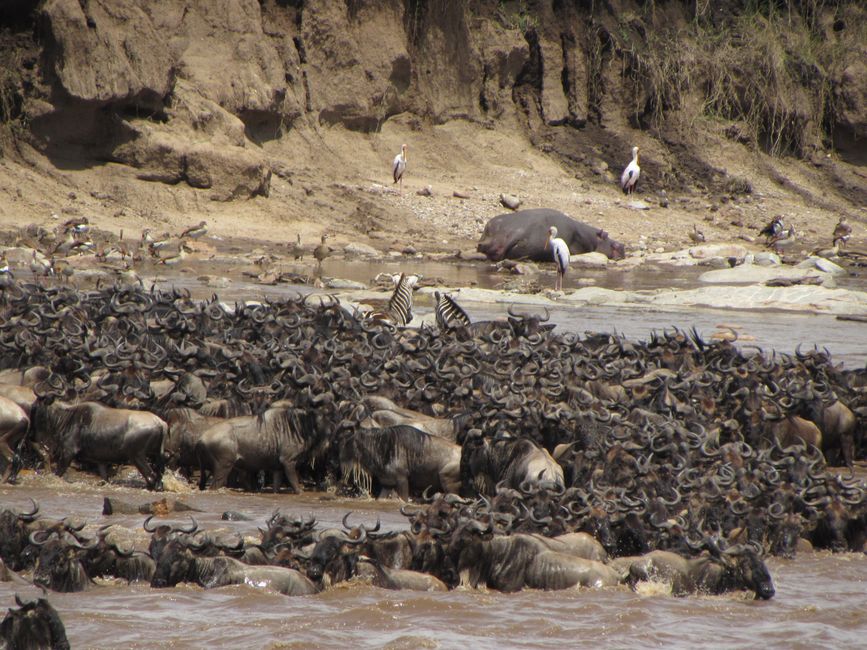
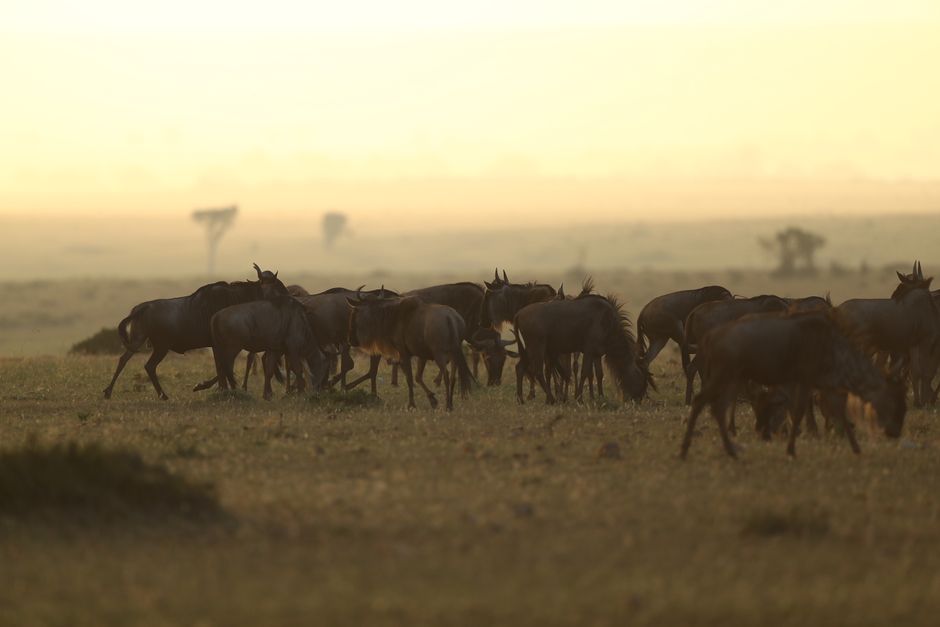
The Great Migration is one of nature’s most remarkable spectacles, involving millions of wildebeest, zebras, and gazelles moving across the Serengeti-Mara ecosystem in East Africa. This continuous journey is not a single event but a complex cycle influenced by rainfall, grass growth, and the animals’ own instincts. For those planning a safari, understanding the patterns and timing is essential for making informed decisions about where and when to attempt to observe this phenomenon.
In this article, we focus on the ecological and logistical aspects of the migration. We aim to provide a clear framework for understanding the various phases of the movement, including the calving season and the dramatic river crossings. Our goal is to help readers appreciate the dynamic nature of the ecosystem and to set realistic expectations for their wildlife-viewing experiences.
The Serengeti-Mara Ecosystem and Its Seasonal Rhythms
The migration occurs within the contiguous plains of the Serengeti National Park in Tanzania and the Masai Mara National Reserve in Kenya. This ecosystem spans approximately 40,000 square kilometers and is characterized by open grasslands, savannah woodlands, and river systems. The movement of the herds is closely tied to the distribution of rainfall, which drives the growth of fresh grass and the availability of water. Typically, the southern plains of the Serengeti receive short rains from November to December, followed by a dry season from January to March. This period attracts the herds to the short-grass plains, where they gather in large numbers.
As the dry season progresses, by around May, the grasslands in the southern and western areas become depleted, prompting the herds to move toward the western corridor and eventually northward. This northward movement is not a single massive herd but rather a series of smaller groups that travel at their own pace, often splitting and regrouping. By July to October, the herds reach the northern Serengeti and cross into the Masai Mara, where they find more dependable grazing and water sources. The exact timing of each phase varies from year to year, influenced by local weather patterns and long-term climate trends.
For visitors, understanding these seasonal rhythms is key to planning a safari that aligns with the most spectacular events, such as the calving season or river crossings. However, it is important to note that the migration is not entirely predictable, and wildlife sightings depend on a variety of factors beyond the season, including the animals’ daily movements and the weather conditions on any given day.
Calving Season in the Southern Serengeti
One of the most significant periods of the migration occurs between January and March, when the wildebeest give birth to an estimated 400,000 to 500,000 calves within a short window of about three weeks. This calving season takes place primarily on the short-grass plains of the southern Serengeti, including the Ndutu area, which is part of the Ngorongoro Conservation Area. The presence of many newborns attracts predators, such as lions, cheetahs, and hyenas, providing an opportunity to observe intense predator-prey interactions.
For visitors, this is a favourable time to witness the remarkable concentration of wildlife and the high birth rate. It is also a time of potential high drama, as predator activity increases. However, sightings are not guaranteed, as the herds are constantly on the move, and the plains can be vast. Experienced guides and trackers can help locate the main aggregations, and it is advisable to plan for flexible itineraries.
Additionally, the calving season coincides with the dry season, which may mean fewer mosquitoes and clearer skies, making for comfortable wildlife viewing. Tour operators often recommend this period for those interested in seeing newborn animals and the dynamic behaviors associated with this life cycle stage.
The Gaining Movement and River Crossings
As the dry season continues, the herds gradually move north. By around April or May, the migration is often in the Western Corridor of the Serengeti, particularly around the Grumeti River. From June onwards, the animals can be found moving further north, eventually reaching the Mara River in Kenya and the northern Serengeti. The river crossings, particularly at the Mara and Grumeti rivers, are among the most sought-after sights for safari-goers.
These crossings involve large herds gathering at the riverbanks before crossing, often in a frantic and chaotic manner. The timing of these crossings is highly unpredictable; they can occur at any time of day, and sometimes herds may wait for days or even weeks before crossing. Factors such as water level, presence of predators, and the condition of the animals influence the decision to cross. Observers should be prepared for long waits and be flexible with their schedules.
The period from July to October is generally considered the peak for river crossings in the Masai Mara. During these months, the majority of the herds are concentrated in the Mara region. However, predicting the exact crossing point is challenging, as the herds traverse several designated crossing points along the river. It is also worth noting that some crossings occur earlier in the western Serengeti, as early as May or June, depending on the year and the grass conditions.
For a visitor aiming to witness crossings, combining a safari in both the northern Serengeti and the Masai Mara during this season might increase the chances, although no specific sighting can be guaranteed.
Peak Viewing Times by Region
To assist in planning, we outline the general periods when the migration is typically in various regions. It is important to remember that these are only guides and actual animal movements can vary.
- Southern Serengeti and Ndutu: This area is often populated from December to March, with the calving season offering exceptional wildlife viewing. January and February are especially popular for those seeking to observe newborns.
- Grumeti area (Western Serengeti): Generally, the herds can be found here between April and July. The Grumeti River crossings may occur from June to July, but they are less frequent and often less dramatic than those in the Mara.
- Northern Serengeti: This region is typically occupied from July to October, and it serves as a staging area before the herds cross into the Masai Mara. The Mara River, which forms the border between the two countries, can be the site of crossings during this period.
- Masai Mara: The herds are usually present in the Mara from July to October, with August and September being peak months for river crossings. However, some migration groups may remain in the Mara until November, depending on the onset of the short rains.
When planning a trip, it is also wise to consider the national park access and vehicle movement regulations, as these can affect the flexibility of game drives. Additionally, the tourism season influences visitor numbers, with peak times in the Mara often coinciding with higher accommodation costs and fewer available slots. Off-season visits may offer a more secluded experience, but the location of the herds might be less predictable.
Observing the Migration Safely and Responsibly
Being in the presence of more than a million animals requires respect for both the wildlife and the environment. Safari regulations, such as staying within designated roads and not driving off-road except in special circumstances, are designed to minimize disturbance. It is also vital to keep a safe distance from predators and other sensitive species. Responsible tourism operators often emphasize wildlife protection and sustainable viewing practices.
Moreover, the movement of the herds is sensitive to human activities, and over time, changes in land use and climate can affect the migration patterns. Travelers can contribute to conservation efforts by choosing eco-friendly accommodations and supporting local communities that coexist with the wildlife. Being informed about the ecological dynamics enhances the experience and promotes a deeper understanding of the challenges facing the Serengeti-Mara ecosystem.
Ultimately, witnessing the Great Migration is a unique and profound experience. It requires patience, flexibility, and an understanding that nature does not follow a strict schedule. By planning around the seasonal patterns and employing the services of knowledgeable guides, visitors can improve their chances of observing this extraordinary natural event. Savanna Heritage, as a travel provider, offers itineraries that are designed around the migration’s patterns, giving travelers the best possible opportunities to see this wonder while ensuring that their presence has minimal impact on the environment.
The Great Migration is a testament to the resilience and adaptability of wildlife. The exact timing of events such as river crossings is never certain; it is the unpredictability that makes each safari unique.